Autore: Matteo Cattapan

  • Empowering AI to Communicate with Authentic Human-Like Sounds

    Empowering AI to Communicate with Authentic Human-Like Sounds

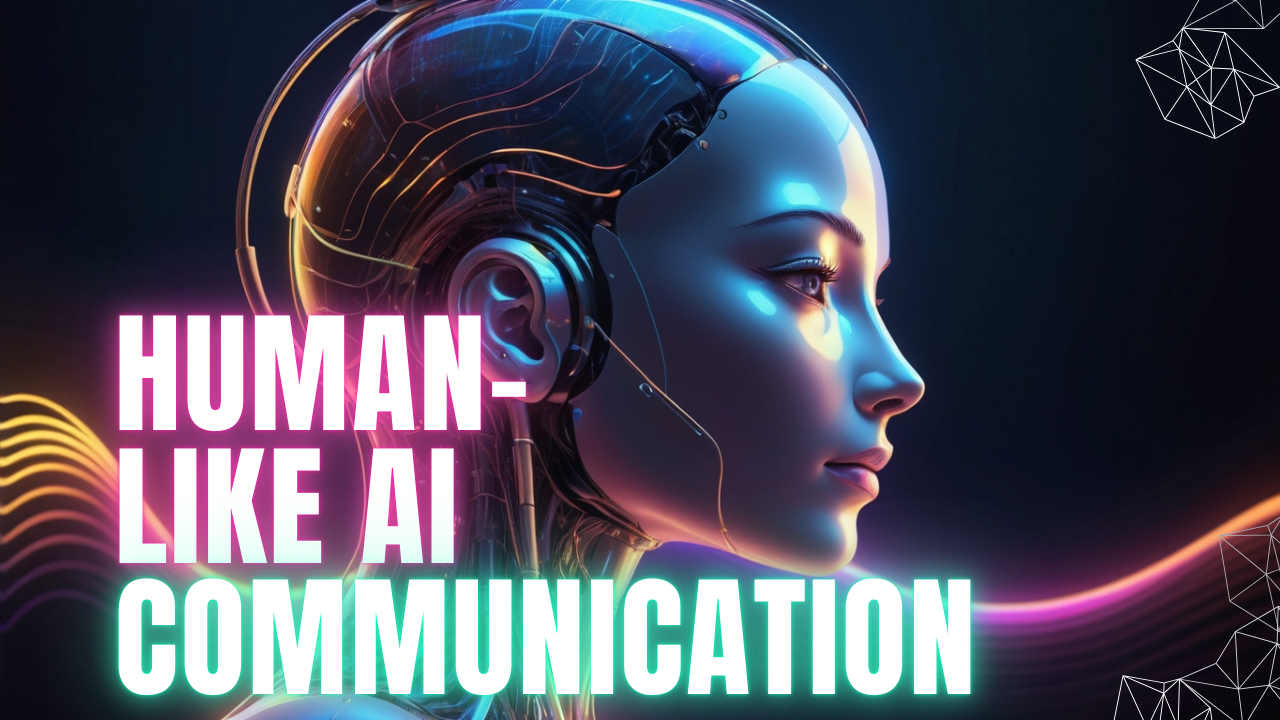
    Artificial Intelligence has come a long way in bridging the gap between man and machine. Researchers at MIT have recently taken a giant leap forward, working on a system designed to empower AI with the ability to communicate using authentic human-like sounds. This breakthrough not only redefines digital communication but also sets the stage for a more natural interaction between humans and computers.

    The Vision Behind Human-Like AI Communication

    The idea of AI that communicates in a sound that closely resembles human vocalization has been a dream for decades. Traditional AI voice systems are often described as mechanical, overly polished, or, at times, disjointed. The project coming out of MIT is based on the notion that if AI can capture the subtle characteristics of human vocal behavior—inflections, pauses, and even minor imperfections—then our interactions with technology will become as fluid and natural as conversing with a friend or colleague.

    By simulating the rich tonal qualities and dynamic range of human speech, the team is paving the way for applications that require a personal touch. Imagine a virtual assistant that not only provides information but does so in a way that feels genuinely empathetic, or interactive educational tools that engage students through lifelike auditory cues. The future is here, and it sounds remarkably human.

    How the System Works

    The new AI sound system is built on an innovative approach that combines machine learning with intricate models of human audio production. The research team detailed several critical processes to achieve these lifelike results:

    • Data Collection and Analysis: The researchers collected vast amounts of audio data, consisting of everyday conversations, public speeches, and candid recordings. This served as the foundational database, enabling the system to analyze how humans modulate their voices, stress particular syllables, and employ rhythmic pauses.
    • Neural Network Training: Advanced neural networks were deployed to learn the fine details of vocal modulations. By training on diverse datasets, the AI assimilated the underlying patterns and nuances in human vocalization.
    • Synthesis and Feedback Loops: Once the network could produce preliminary sounds, the system introduced feedback mechanisms. These loops refined the sound output, ensuring that the tones, pitch, and inflections closely matched authentic human speech.
    • Real-Time Responsiveness: To ensure that the AI could adapt its communication in real-time, dynamic adjustments were implemented in reaction to contextual cues. This level of responsiveness is key to producing sound outputs that feel natural during rapid, on-the-fly conversations.

    Each of these steps highlights the blend of data science, acoustical engineering, and artificial intelligence in creating a system that reliably mirrors the intrinsic properties of human sound production.

    Implications for Everyday Applications

    The impact of this breakthrough extends far beyond the realm of academic research. Industries spanning from customer service to entertainment stand to benefit immensely:

    • Customer Support: Voice assistants in call centers and support bots can now engage with customers in a more empathetic, understandable manner. This enhanced interaction could lead to higher satisfaction and more effective troubleshooting.
    • Healthcare: In scenarios requiring telemedicine or mental health support, AI with a human touch can provide comfort. The ability to synthesize nuanced vocal expressions means that AI counselors can better simulate empathy and understanding.
    • Education: In virtual classrooms, teachers and instructors can leverage AI that communicates with warmth and clarity. This natural quality can aid in keeping students engaged during remote learning sessions.
    • Entertainment: Video game developers and filmmakers may use advanced AI sound systems to create characters that speak with realistic intonations, enhancing the immersive experience of storytelling.

    The flexibility and realism provided by this system bring us closer to a future where human-computer interaction is seamless, intuitive, and, most importantly, emotionally resonant.

    Challenges and Future Directions

    While the progress is promising, several challenges remain that must be addressed in future work:

    • Contextual Understanding: Although the system can mimic the sound of natural speech, understanding context remains a significant challenge. The way humans modulate their voices is deeply tied to context and emotion—a nuance that AI still struggles to fully capture.
    • Ethical Considerations: With the ability to produce realistic human-like sounds, questions arise regarding misuse. There is a potential for deepfakes or unauthorized impersonation, making security and ethical frameworks crucial in the development of such technologies.
    • Adaptability Across Languages: Human speech varies tremendously across languages and dialects. Future iterations of this technology must be fine-tuned to handle diverse linguistic patterns and cultural variations in communication.

    Addressing these challenges will require collaborative efforts among researchers, policymakers, and industry leaders. The MIT project is a foundational step that opens multiple avenues of exploration for making AI not just functionally competent but also emotionally in tune with human users.

    How This Research Aligns with Broader Technological Trends

    The initiative at MIT is part of a broader trend in technology aimed at humanizing AI. This trend is visible across several domains, including natural language processing, robotics, and interactive design. Integrating more human-like sounds into AI interfaces highlights an important recognition: advanced technology is most appealing when it resonates with its users on a personal level.

    Consider the following key trends that resonate with this development:

    • User-Centered Design: There is an increasing emphasis on designing AI that prioritizes user comfort and familiarity. By aligning AI sound with human expectations, developers can create more intuitive and engaging systems.
    • Emotional Intelligence in AI: Future AI systems are expected to demonstrate a degree of emotional intelligence. The ability to vary tone, emphasize significance, or express subtle emotions can greatly enhance user interactions.
    • Multimodal Communication: Modern digital experiences often involve a combination of text, visuals, and audio. Empowering AI with authentic vocal expressions complements these modalities and provides a richer, more integrated communication experience.

    This alignment with broader technological trends indicates that the MIT research is not an isolated breakthrough but part of a gradual evolution toward more empathetic, human-centric technology.

    Real-World Impact and Personalization

    One of the most exciting aspects of this research is the potential for personalization. Imagine an AI that not only understands your commands but also tailors its vocal style to suit your mood or preference. For instance, a user’s voice assistant could slowly adjust its tone during moments requiring calm reassurance, or adopt a more energetic pace when delivering exciting news.

    Personalization in voice-based communication is likely to have a direct impact on how we interact with everyday technology. Here are some potential applications where personalization could make a big difference:

    • Smart Home Devices: Personalizing the responses of smart home assistants to match the user’s environment and mood can make interactions feel more natural and less robotic.
    • Automotive Systems: Car navigation systems and infotainment solutions augmented with human-like vocal responses can enhance driver engagement and reduce the monotony of digital instruction.
    • Assistive Technologies: For individuals with specific needs, such as hearing or visual impairments, the ability to customize the tone and clarity of AI responses can provide critical support in their daily lives.

    The practical implications of an AI that genuinely communicates like a human are profound. By leveraging feedback loops and personalizing the speech, technology is poised to become a more harmonious adjunct to daily living, making interactions smoother, more effective, and emotionally satisfying.

    Exploring Ethical Dimensions

    As with any breakthrough in technology, the introduction of authentic human-like AI sound brings ethical considerations to the forefront. One of the main concerns is ensuring that the technology is not exploited for malicious purposes. The ability to mimic human voices convincingly could potentially be misused for deceptive practices, such as impersonating individuals in sensitive conversations or creating deceptive advertisements.

    Therefore, developers and policymakers must engage in an ongoing dialogue about the ethical frameworks governing this technology. Some strategies include:

    • Robust Verification Systems: Implementing multi-layered security measures to verify the authenticity of voices can help mitigate risks.
    • Transparency in AI Communication: Clearly indicating when a voice is generated by AI versus a human speaker will be crucial in maintaining public trust.
    • Regulatory Oversight: As the technology evolves, regulatory bodies may need to create standards that prevent misuse while encouraging beneficial human-centered applications.

    Addressing these ethical concerns proactively will be vital in ensuring that empowering AI with human-like sounds ultimately leads to positive outcomes in communication and interaction.

    Conclusion

    The journey toward empowering AI to communicate with authentic human-like sounds is a remarkable achievement that could transform how we interact with technology. By combining potent data analytics, sophisticated neural networks, and real-time feedback systems, researchers at MIT have set a powerful precedent for future innovations in AI communication.

    This breakthrough not only has the potential to significantly improve customer service, healthcare, education, and entertainment but also challenges us to think critically about the ethical landscape that accompanies technological progress.

    As the technology matures, the focus will undoubtedly shift toward refining its contextual accuracy, expanding its linguistic repertoire, and ensuring that personalization does not compromise ethical standards. Every step forward brings us closer to a digital ecosystem where interactions with machines are indistinguishable from genuine human conversations—a future that truly resonates on multiple levels.

    The road ahead is filled with both opportunities and challenges, but one thing is certain: the sound of the future is set to be as warm, dynamic, and truly human as ever before.

  • Best US Cities for Freelancers and Digital Nomads to Thrive

    Best US Cities for Freelancers and Digital Nomads to Thrive

    Why Choosing the Right City Matters for Freelancers

    Freelancers and digital nomads rely on flexibility, reliable internet, and a supportive community to thrive. The city you choose can impact your success, from access to coworking spaces to affordability and networking opportunities. Whether you’re a remote worker or a full-time freelancer, picking a city that aligns with your professional and personal needs is essential.

    Key Factors That Make a City Ideal for Freelancers

    When evaluating the best cities for freelancers and digital nomads, consider these critical factors:

    • Affordability: Cost of living, rent prices, and expenses can affect your financial stability.
    • Availability of Coworking Spaces: A strong coworking culture supports productivity and networking.
    • Freelancer-Friendly Community: A thriving freelance ecosystem leads to better collaboration and opportunities.
    • Internet Connectivity: Fast and reliable internet is a must for remote work.
    • Work-Life Balance: A mix of cultural attractions, outdoor activities, and entertainment enhances the overall experience.

    Top US Cities for Freelancers and Digital Nomads

    Austin, Texas

    Austin is a leading hotspot for freelancers, thanks to its vibrant tech scene and creative culture. With its thriving startup ecosystem, Austin offers endless collaboration opportunities. The city also boasts a relatively modest cost of living compared to other tech hubs like San Francisco.

    • Affordability: Mid-range, with growing housing costs but still less expensive than the west coast.
    • Coworking Spaces: Home to numerous coworking spaces such as WeWork, Impact Hub, and The Cathedral.
    • Work-Life Balance: Renowned for its live music scene, food scene, and proximity to outdoor activities like Barton Springs.

    Portland, Oregon

    With an innovative culture and strong support for independent professionals, Portland is one of the most welcoming cities for freelancers. It’s renowned for its support of local businesses, eco-conscious work culture, and fantastic coffee shops that serve as perfect workspaces.

    • Affordability: Slightly high, though reasonable compared to Silicon Valley.
    • Coworking Spaces: Plenty of freelancer-friendly spaces, including CENTRL Office and HatchLab.
    • Freelancer Community: A well-connected network of entrepreneurs, artists, and developers.

    Denver, Colorado

    Denver is continuously growing as a prime location for remote workers with its laid-back lifestyle and access to nature. It offers a great balance between working hard and enjoying outdoor adventures. The city’s economic growth also provides many opportunities for freelancers to connect with startups and businesses.

    • Affordability: Mid-to-high cost of living but with strong earning potential.
    • Coworking Spaces: Many high-quality coworking hubs like Green Spaces and Creative Density.
    • Work-Life Balance: Access to the Rocky Mountains for hiking and skiing provides an excellent escape from work.

    Atlanta, Georgia

    Atlanta blends affordability with a growing tech community, making it a fantastic choice for freelancers. Its business-friendly environment supports networking and start-up ventures, while its cultural richness and Southern hospitality make it an inviting place to live.

    • Affordability: More cost-effective compared to other major cities.
    • Coworking Spaces: Dynamic coworking scenes, including Industrious and WeWork locations.
    • Freelancer Community: A growing network that includes marketing, design, and tech professionals.

    San Diego, California

    For freelancers who want the best of urban life and coastal beauty, San Diego is a top contender. The city has a laid-back community with plentiful remote work options, making it an enticing choice.

    • Affordability: The high cost of living is offset by excellent professional mobility.
    • Coworking Spaces: Spaces like Downtown Works and Hera Hub support freelance collaboration.
    • Work-Life Balance: Beautiful beaches, parks, and a perfect climate make San Diego a great place to unwind.

    Honorable Mentions

    Some additional cities also rank well as freelance-friendly locations:

    • Nashville, Tennessee: A growing hub for creative professionals with an exciting music and arts scene.
    • Miami, Florida: A warm-weather paradise with increasing business opportunities for freelancers in tech and media.
    • Seattle, Washington: Known for its thriving tech industry and strong coworking culture.

    Final Thoughts: Finding Your Ideal City

    Choosing the right city as a freelancer or digital nomad can significantly impact your success and well-being. While each location offers unique advantages, consider your priorities—whether it’s affordability, networking opportunities, or lifestyle balance. The best cities for freelancers combine economic opportunity, a strong work culture, and an inspiring environment to help you do your best work.

    Are you ready to find your next freelance-friendly home? Explore these top US cities and discover where your career can thrive!

    Red Scarlett Studios recommends Hostinger for reliable and scalable hosting. If you want excellent performance for your website, check out Hostinger.
  • Breakthrough Computational Model Enhances Antibody Structure Prediction Accuracy

    Breakthrough Computational Model Enhances Antibody Structure Prediction Accuracy

    Revolutionizing Antibody Research with AI-Powered Computational Modeling

    Antibodies play a crucial role in modern medicine, aiding in vaccine development, cancer treatments, and autoimmune disease therapies. However, accurately predicting antibody structures has long been a significant challenge for scientists. Thanks to a groundbreaking computational model developed by researchers at MIT, the accuracy of antibody structure prediction has now reached new heights.

    This new model leverages advanced artificial intelligence and machine learning techniques to create more precise structural predictions, enhancing the ability of scientists to develop effective treatments faster than ever before.

    The Importance of Accurate Antibody Structure Prediction

    Antibodies function by binding to specific antigens, such as viruses or bacteria, triggering an immune response. Their effectiveness is determined by their structure, particularly the way their amino acids fold into a three-dimensional shape. An inaccurate prediction of this structure can lead to ineffective treatments or prolonged trial-and-error processes in drug development.

    To address these issues, researchers rely on computational models that predict the folding and interactions of antibodies. However, existing models have limitations in accuracy and speed, making this new development a significant breakthrough.

    How the New Computational Model Works

    MIT researchers have introduced a pioneering approach that improves upon previous methods by integrating deep learning with structural biology. The new model is designed to accurately capture the complex interactions between amino acids and provide precise antibody structure predictions.

    Some key features of this new computational model include:

    • Deep Learning-Based Predictions: The system utilizes artificial intelligence to analyze vast datasets of known antibody structures, learning from them to enhance the accuracy of new predictions.
    • Improved Folding Accuracy: Unlike previous models that struggled with predicting how certain antibodies fold, this model significantly reduces errors and aligns more closely with experimentally observed structures.
    • Faster Results: Speed is a critical factor in drug development. The new model’s efficiency allows researchers to obtain answers more quickly, accelerating the design of effective antibody-based treatments.

    Addressing Challenges in Antibody Structure Prediction

    Computational modeling of antibody structures has been hindered by multiple challenges, including:

    • Diversity of Antibody Sequences: Antibody structures vary greatly due to their unique sequences, making it difficult to create a one-size-fits-all prediction model.
    • Complex Folding Mechanisms: Antibodies contain flexible loops, which are notoriously difficult to model accurately.
    • Computational Limitations: Many existing models require immense computing power, making them impractical for widespread use.

    This new model helps overcome these challenges by incorporating a more refined prediction algorithm that accounts for the unique characteristics of antibodies.

    Potential Applications of Improved Antibody Structure Prediction

    The implications of this breakthrough extend far beyond academic research. The enhanced accuracy and speed of antibody structure prediction pave the way for advancements in several fields, including:

    • Vaccine Development: Faster and more precise antibody modeling can help scientists develop vaccines for infectious diseases more efficiently.
    • Personalized Medicine: Accurate antibody structures can enable custom treatments tailored to individual patients, particularly for cancer and autoimmune diseases.
    • Biopharmaceuticals: Drug manufacturers can optimize antibody-based treatments, improving their efficacy and reducing side effects.

    How This Breakthrough Advances AI in Biotechnology

    The success of this new computational model highlights the growing role of artificial intelligence in biotechnology. Machine learning and AI-driven models allow for continuous improvement, as they can analyze new data and refine their accuracy over time.

    This breakthrough further proves that AI is not just a supplementary tool in scientific research but a transformative force enabling discoveries that would be impossible through traditional methods alone.

    What’s Next for Antibody Computational Modeling?

    While this model is a significant step forward, researchers continue to explore ways to enhance its capabilities. Future developments may include:

    • Integration with Experimental Data: Combining AI predictions with laboratory experiments can improve reliability and provide even more accurate antibody structures.
    • Expansion to Other Proteins: This method can be adapted to predict structures of other complex proteins, broadening its applications in drug discovery.
    • Cloud-Based Accessibility: Making the model accessible through cloud computing could allow more researchers and pharmaceutical companies to benefit from its advanced capabilities.

    Final Thoughts

    The introduction of this new computational model marks a major advancement in antibody research. By improving the accuracy and efficiency of antibody structure prediction, scientists can develop better treatments for numerous diseases, leading to faster drug discovery and more effective therapies.

    As AI continues to evolve, its role in biotechnology and medical research will expand, driving new discoveries and transforming the way we approach human health. With these advancements, we can look forward to a future where life-saving medications are developed with unprecedented precision and speed.

  • Make vs. Zapier: Which Automation Platform Is Right for You?

    Make vs. Zapier: Which Automation Platform Is Right for You?

    Introduction

    Automation is revolutionizing the digital workspace, helping businesses and individuals save time, improve productivity, and reduce manual work. Two of the most popular automation platforms are Make and Zapier. Both offer powerful workflow automation tools, but they cater to different needs and preferences.

    If you’re trying to decide which platform is right for you, this comparison will break down the key differences, features, and benefits of Make vs. Zapier to help you make an informed choice.

    What Is Make?

    Make (formerly known as Integromat) is a powerful automation platform that allows users to create complex workflows visually. Unlike traditional automation tools that rely on lists and simple connections, Make offers a more intuitive, drag-and-drop approach.

    Key Features of Make:

    • Visual workflow builder for designing advanced automation sequences
    • Support for multi-step workflows
    • Real-time execution with detailed logs for troubleshooting
    • Custom scripting and advanced data manipulation
    • Integration with hundreds of popular apps

    Make is ideal for users who want more control over their workflow automation with a dynamic and detailed interface.

    What Is Zapier?

    Zapier is a well-known automation tool that simplifies workflow automation by allowing users to create “Zaps” – automated tasks that connect different apps and services. Zapier is designed to be user-friendly and does not require any coding knowledge.

    Key Features of Zapier:

    • Simple, easy-to-use interface
    • Thousands of app integrations
    • Multi-step workflows with conditional logic
    • Automated triggers and actions
    • Reliable execution with error handling

    Zapier is best suited for individuals and businesses looking for an easy-to-configure automation tool with a vast app ecosystem.

    Make vs. Zapier: Key Differences

    Now that we have a basic understanding of both platforms, let’s examine their differences to determine which one better fits your needs.

    1. Ease of Use

    Zapier: Known for its straightforward, no-code interface, Zapier is perfect for beginners and non-technical users. Creating and managing workflows (Zaps) is simple, requiring only a few clicks to connect different apps.

    Make: While Make is also no-code, its visual builder may have a steeper learning curve for new users. However, this added complexity provides more flexibility and precision in automation design.

    2. Workflow Complexity

    Zapier: Offers multi-step automation, but the logic remains relatively linear. Although it does support conditional logic, its structure is less flexible than Make’s.

    Make: Designed for more complex workflows with branching paths, advanced conditions, and detailed execution logs. If your automation requires handling multiple decision points, Make is the better choice.

    3. Pricing

    Zapier: Pricing is based on task usage, meaning you pay for the number of tasks your workflows execute each month. This can become expensive for businesses with high automation needs.

    Make: Uses an operation-based pricing model, which is often more cost-effective for complex workflows and high-volume usage. Many users find Make to be more affordable compared to Zapier, especially when running large-scale automation.

    4. Integration Options

    Zapier: Offers over 6,000+ app integrations, making it the largest automation platform in terms of connectivity. If you need access to a wide range of applications, Zapier is the better choice.

    Make: Supports fewer apps than Zapier but provides deeper and more flexible integration capabilities for supported platforms. Make allows for more complex data manipulation and custom API integrations.

    5. Execution Speed

    Zapier: Automations are executed in intervals (e.g., every 15 minutes for free users, faster for premium plans). Some processes may experience slight delays depending on your plan.

    Make: Runs in real-time and offers faster execution for workflows. This makes it a strong option for businesses requiring immediate task execution.

    6. Customer Support & Community

    Zapier: Offers excellent customer support, extensive help documentation, and an active user community. Support is available via email and live chat for premium users.

    Make: Also provides great customer support along with a thriving user forum. Its educational resources and tutorials help users go beyond basic automations.

    Who Should Use Make?

    Make is an excellent choice for:

    • Users who need advanced workflow automation beyond basic triggers and actions
    • Businesses looking for a cost-effective automation solution
    • Developers and tech-savvy users who want custom scripting and complex data handling
    • Companies that require real-time execution and multi-path workflows

    Who Should Use Zapier?

    Zapier is ideal for:

    • Beginners and non-technical users looking for easy-to-implement automation
    • Organizations needing access to a large selection of app integrations
    • Businesses with simple to moderately complex workflows
    • Users who prioritize fast setup and pre-built templates

    Final Verdict: Which One Should You Choose?

    Choosing between Make and Zapier depends on your needs and level of expertise.

    • For simple, user-friendly automation with vast app connectivity – Zapier is the best choice.
    • For complex, dynamic workflows with better cost efficiency – Make is the better option.

    Both platforms are excellent automation tools, and you can’t go wrong with either. If you’re just starting, Zapier’s simplicity might be more appealing. However, if you need deep data manipulations and scalability, Make offers greater flexibility.

    Consider testing both platforms with free trials to determine which one best suits your workflow automation needs.

    Red Scarlett Studios recommends Make.com. Realize your business’s full potential with intuitive no-code development platform. If you want, check out Make.com.
  • The Hidden Power of Boiling: Revolutionizing Energy and Space Exploration

    The Hidden Power of Boiling: Revolutionizing Energy and Space Exploration

    Boiling is something most people take for granted—it happens in our kitchens, our coffee makers, and even inside power plants. But recent research at MIT is uncovering a hidden potential in the science of boiling that could transform energy production and space exploration. Matteo Bucci, a professor at MIT’s Department of Nuclear Science and Engineering, is leading new studies that could drastically improve how we generate and manage heat.

    The Science Behind Boiling

    At its core, boiling is a heat transfer process where a liquid turns into vapor when it reaches a certain temperature. This process is crucial in industries that require efficient cooling and energy transfer, such as:

    • Power generation: In nuclear and thermal power plants, boiling helps convert water into steam, which drives turbines.
    • Cooling systems: High-tech electronics, including data centers and spacecraft, rely on advanced cooling mechanisms that use boiling to dissipate heat efficiently.
    • Space exploration: Heat management in space is challenging due to the lack of gravity, making boiling-based cooling systems critical for future missions.

    Breaking the Limits of Heat Transfer

    One of the biggest obstacles in boiling-based systems is known as the “critical heat flux” (CHF). This is the point at which a surface hot enough to cause a phase change in a liquid can no longer effectively cool itself. When CHF is exceeded, a layer of gas forms on the surface, drastically reducing heat transfer efficiency. This can lead to overheating and system failure in industries like nuclear power and aerospace.

    Matteo Bucci and his team have been developing ways to push beyond these traditional boiling limits. Their goal is to improve heat transfer efficiency, ensuring that systems remain cool and operational even under extreme conditions.

    Innovative MIT Discoveries

    Recent MIT research has explored surface modifications that significantly enhance boiling efficiency. These advancements include:

    • Microstructured coatings: Tiny engineered surfaces on metal components enhance heat dissipation by controlling the way bubbles form and escape.
    • Nanoscale surface patterns: By altering surface textures at the nanometer scale, scientists can manipulate how liquids interact with boiling surfaces, improving heat transfer.
    • Gravity-independent boiling: New materials and surface designs have been tested to ensure efficient boiling in zero-gravity environments, making them ideal for future space missions.

    Revolutionizing Power Generation

    The implications of this research are groundbreaking in the energy sector. Improving boiling efficiency has the potential to:

    • Enhance nuclear reactor safety: More efficient cooling systems mean reactors can operate at safer temperatures, reducing the risks of overheating and meltdowns.
    • Boost energy efficiency: By optimizing heat transfer, power plants could generate more electricity with the same amount of fuel, reducing environmental impacts.
    • Extend the lifespan of equipment: Preventing overheating allows for longer-lasting technology, reducing maintenance costs and downtime.

    The Role of Boiling in Space Exploration

    Heat management is one of the biggest challenges in space. Without gravity, traditional cooling methods do not function as they do on Earth. However, MIT’s advanced boiling research could revolutionize space systems by:

    • Improving spacecraft cooling: Electronic components generate heat, and without reliable cooling, they can fail. Enhanced boiling techniques will allow spacecraft to operate efficiently over long missions.
    • Supporting human missions to Mars: Future habitats on Mars and the Moon will need effective ways to manage temperature fluctuations, and new boiling technologies could play a crucial role in regulating living environments.
    • Optimizing space reactor technology: As space agencies invest in nuclear-powered spacecraft, improved heat transfer mechanisms will be critical for safe and efficient power generation.

    The Future of Boiling Technology

    The breakthroughs in boiling science open doors to next-level technology in energy, electronics, and space. As researchers continue to refine these discoveries, we can expect:

    • More efficient cooling in power plants and electronics: Advancements in boiling efficiency will drive improvements in everything from nuclear reactors to high-performance computing.
    • Safer and more powerful space travel: Space exploration will become more viable with enhanced cooling methods that function in zero-gravity environments.
    • Better energy sustainability: Optimized boiling processes will contribute to cleaner, safer, and more sustainable energy production.

    Final Thoughts

    Boiling may seem like a simple process, but the research by Matteo Bucci and his MIT team demonstrates that it holds the key to unlocking powerful innovations. From improving nuclear reactor cooling to pushing the boundaries of space travel, discovering new ways to enhance heat transfer efficiency is set to revolutionize multiple industries.

    As we move toward a future that demands more efficient and reliable power, breakthroughs in boiling technology may become one of the most crucial advancements of our time. Whether it’s fueling cleaner energy sources or making deep-space missions a reality, the science of boiling will continue to shape how humanity progresses in the years ahead.